
Founder & Educator, Woke Kindergarten & Black Children Play! (they/them) Akiea is an early childhood alchemist, educator and creative practitioner exploring the life-affirming possibilities of wonder, curiosity, abolitionist imagination and political education for young children through their innovative pedagogy, Woke Kindergarten. Woke Kindergarten is a visionary anti-oppressive early learning ecosystem supporting children and those who care for them in their commitment to liberatory learning.
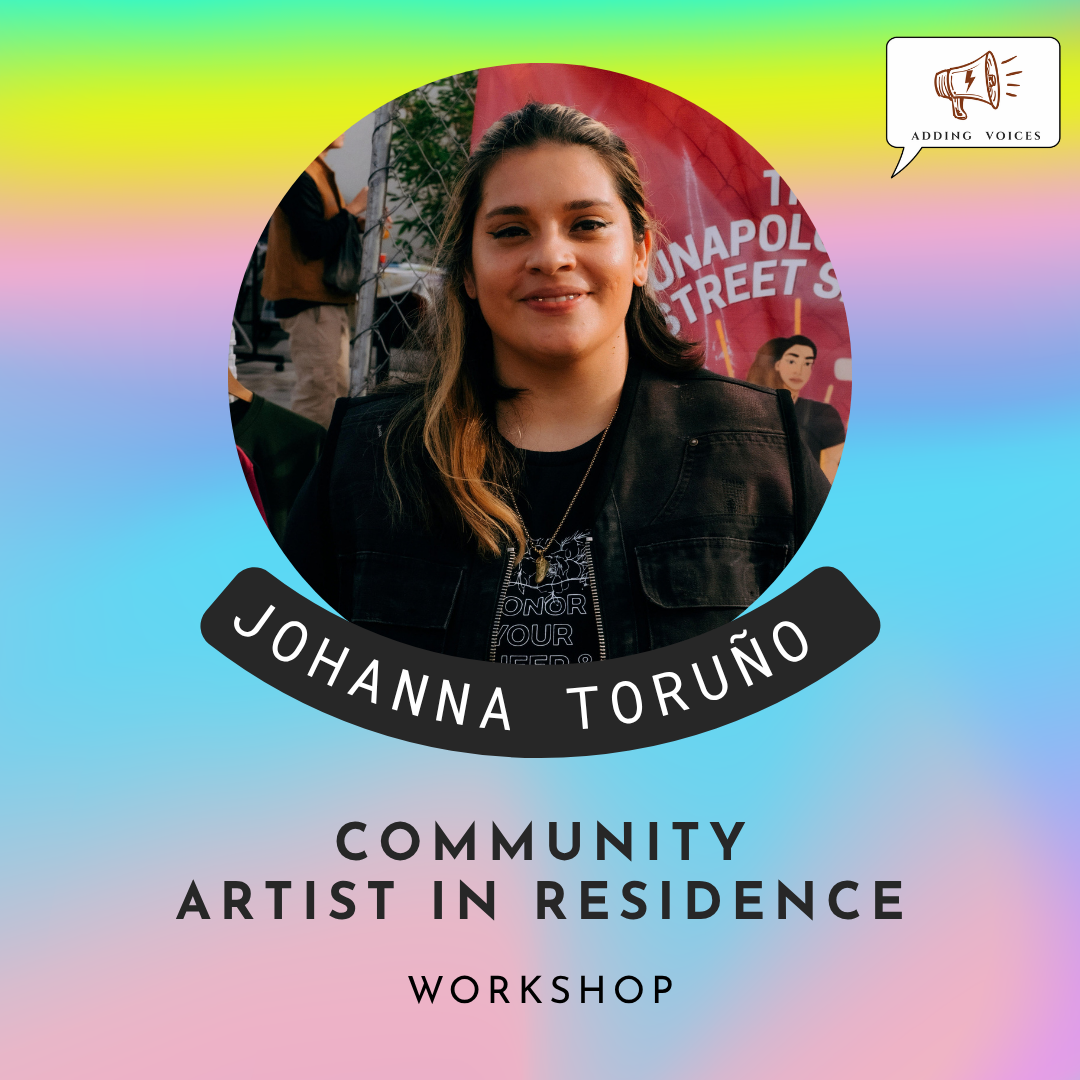
Johanna Toruño, she/her/ella is a Salvadoran-born artist and Founder of the Unapologetic Street Series, utilizing the streets as a public platform and gallery. Her bold imagery and statements, often adorned in lush florals, celebrate queer, working class, and immigrant communities. Through her work, Toruño challenges social norms and centers messages of self-reflection and self-acceptance. Using a soft aesthetic with colors that remind her of home, Toruño brings storytelling and a chance for her audience to re-learn and re imagine their own self to accessible spaces. Her political and social messages highlight topics of reimagining norms, and the joy of holding space for collective liberation. Johanna is a TED speaker and Lecturer at Universities like Stanford, Princeton, Columbia, and others. Johanna's work has been featured in The New York Times, Teen Vogue, NPR, Nylon, and more., Johanna lives and works in Los Angeles with her partner and 2 dogs. If she's not wheatpasting she's cooking.”
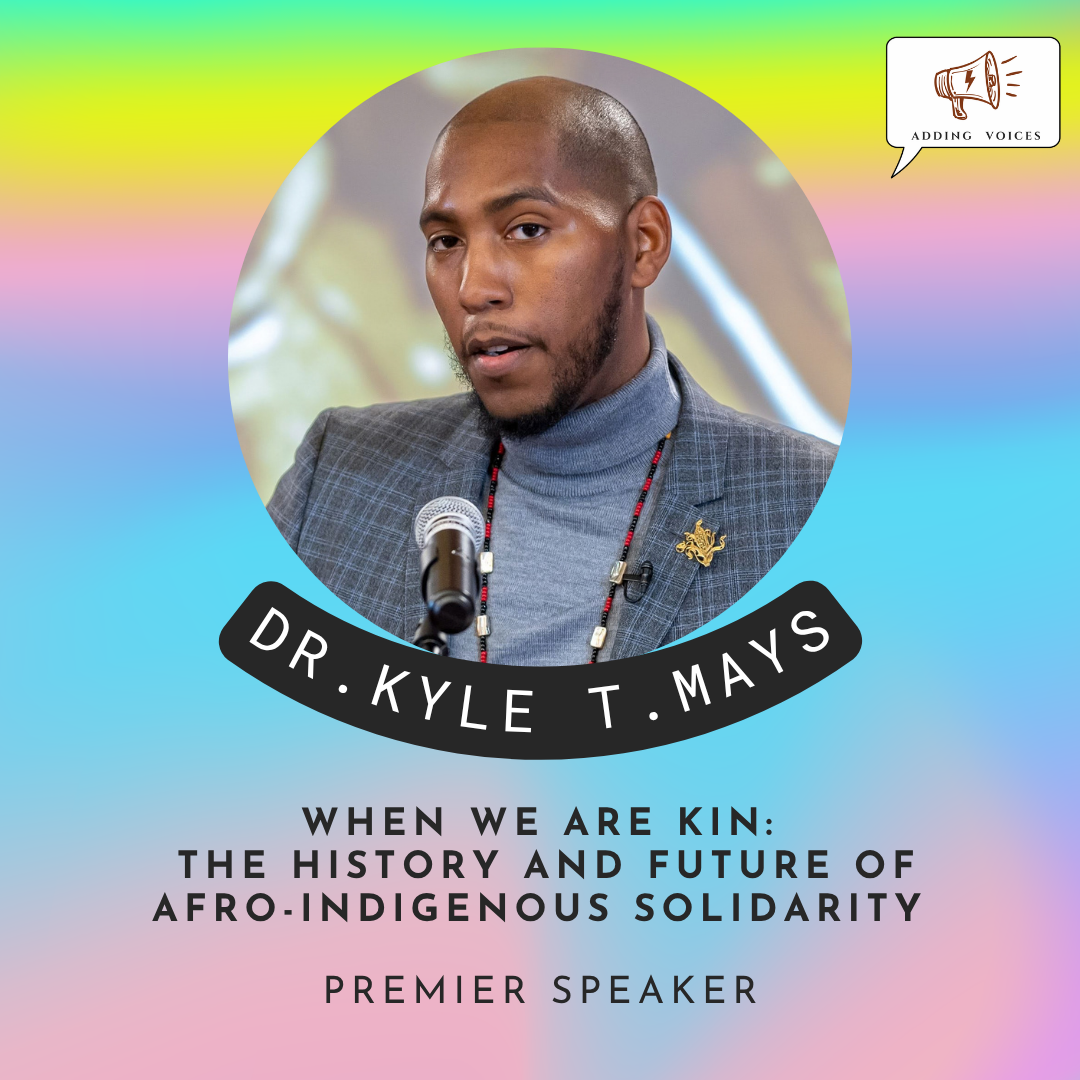
Kyle T. Mays (he/him) is an Afro-Indigenous (Saginaw Chippewa) writer and scholar of Afro-Indigenous history, urban studies, and contemporary popular culture. He is a Professor of African American Studies, American Indian Studies, and History at UCLA and chair of the Department of African American Studies. He is the author of five books including When We Are Kin: The History and Future of Afro-Indigenous Solidarity (Haymarket, 2026).

This conversation brings together three arts leaders working across curatorial practice, museums, cultural strategy, art education, and community-building. They will reflect on how we can build art ecosystems that center Black cultural knowledge, support artists and educators, challenge extractive institutional practices, and cultivate more just, relational, and nourishing creative communities.-----Lauren Jackson Harris, she/her is a senior-level arts professional, curator, and cultural strategist based in Atlanta, Georgia. With over 15 years of experience across arts administration, curatorial practice, and creative leadership, she has dedicated her career to supporting artists, building community-centered programs, and expanding access to contemporary art spaces. In 2019, she co-founded Black Women in Visual Art, an organization that connects, cultivates, and supports Black women in the arts. With BWVA, Lauren builds partnerships and develops programs that increase visibility and opportunities for Black women in the arts. ----------------------------Dr. Kelli Morgan, she/her is a Detroit-based curator, educator, and activist. She is the Founding Executive Director and CEO of Black Artists Archive, an archive dedicated to safeguarding and sharing the legacies of Detroit’s Black artists through archival stewardship, dynamic exhibitions, and innovative education. As a curator Dr. Morgan has served as Senior Curator at The Charles H. Wright Museum of African American History, as well as Associate Curator of American Art at the Indianapolis Museum of Art. She was also the Director of Curatorial Studies and Professor of Practice at Tufts University. https://blackartistsarchive.org/
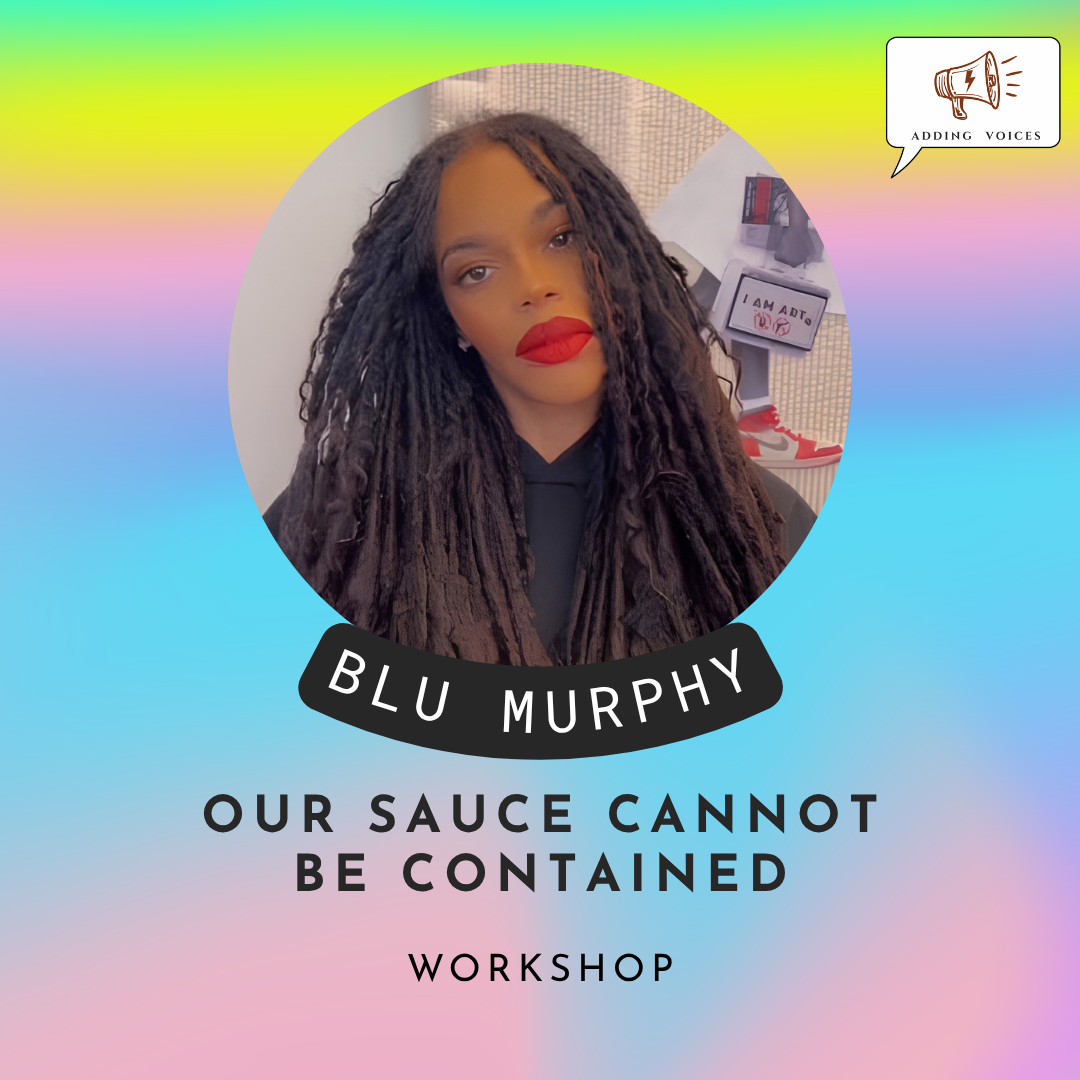
Brandy “Blu” Murphy is an artist, educator, creator born and raised in Washington, D.C. She is a graduate of Morgan State University, an HBCU where she studied Fine Arts with a focus on Mixed Media. She has over a decade of teaching experience in low-income urban communities and is committed to amplifying the voices of a genre of people that are often undervalued, unappreciated and unseen. “The goal is to create art that shows the beauty and value of people”. She is best known for capturing the innocence of her students through photography and utilizing graffiti, texture and color to share a story rooted in African American culture and history. She has been featured in The Washington Post, Architectural Digest, Washington city paper, DC Fray magazine,The Target Contemporary Gallery and Dupont Underground.
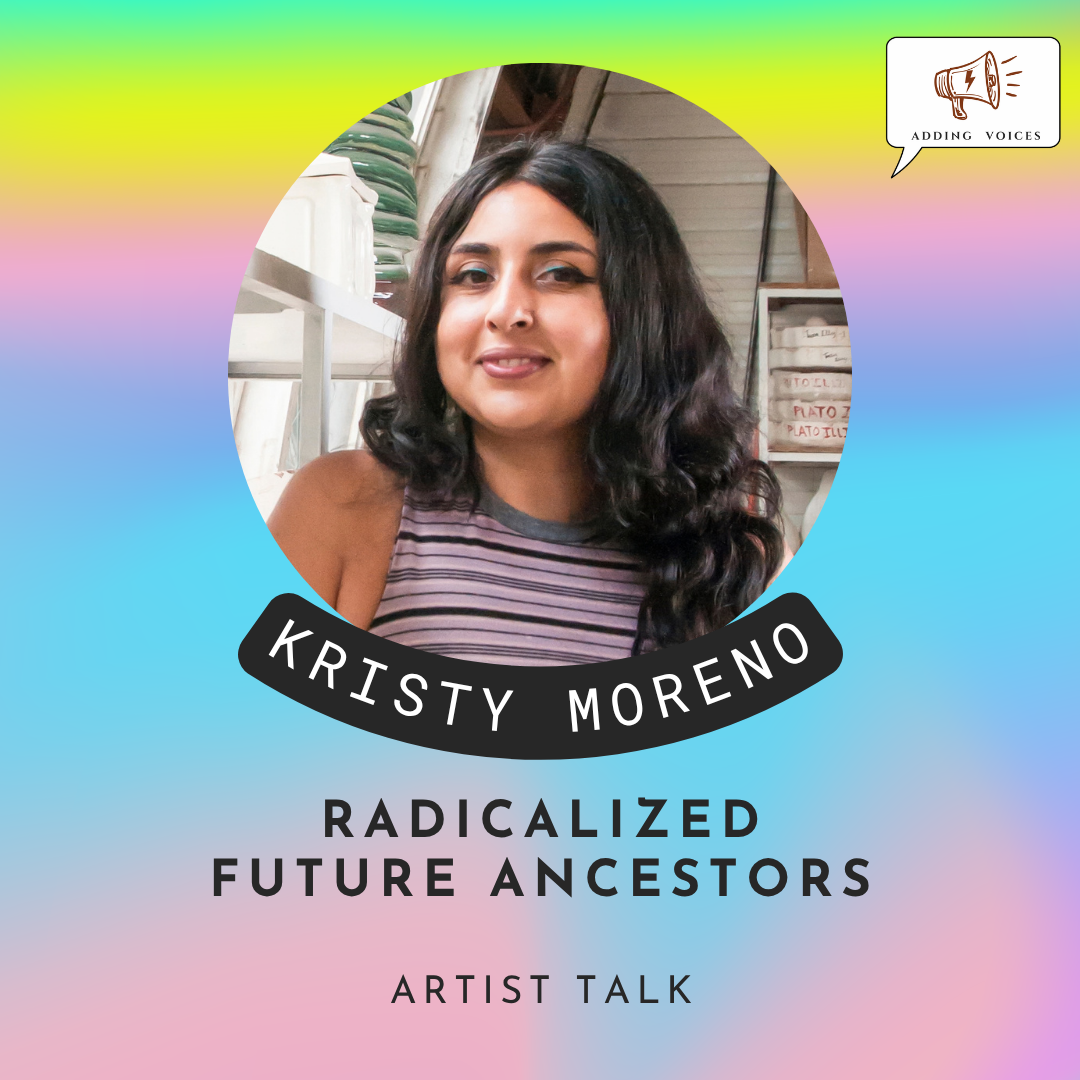
Kristy Moreno, she/her Her work focuses on the imagined personas of radicalized future ancestors. The hand crafted ceramics are fictional characters often resembling feminine personalities paused in space and time. She examines the essence of these future communities through the use of body language and attitudes to further explore themes of rage, empathy, and curiosity. Individualizing these characters grants her the freedom to be curious about the influences they might have inherited from past societies, and she tries to observe how the past often shapes future worlds. She would like to imagine that these ancestors survived by refusing to participate in the patriarchal systems that came before them. They are no longer conditioned to believe that they have to live in someone else’s reality.
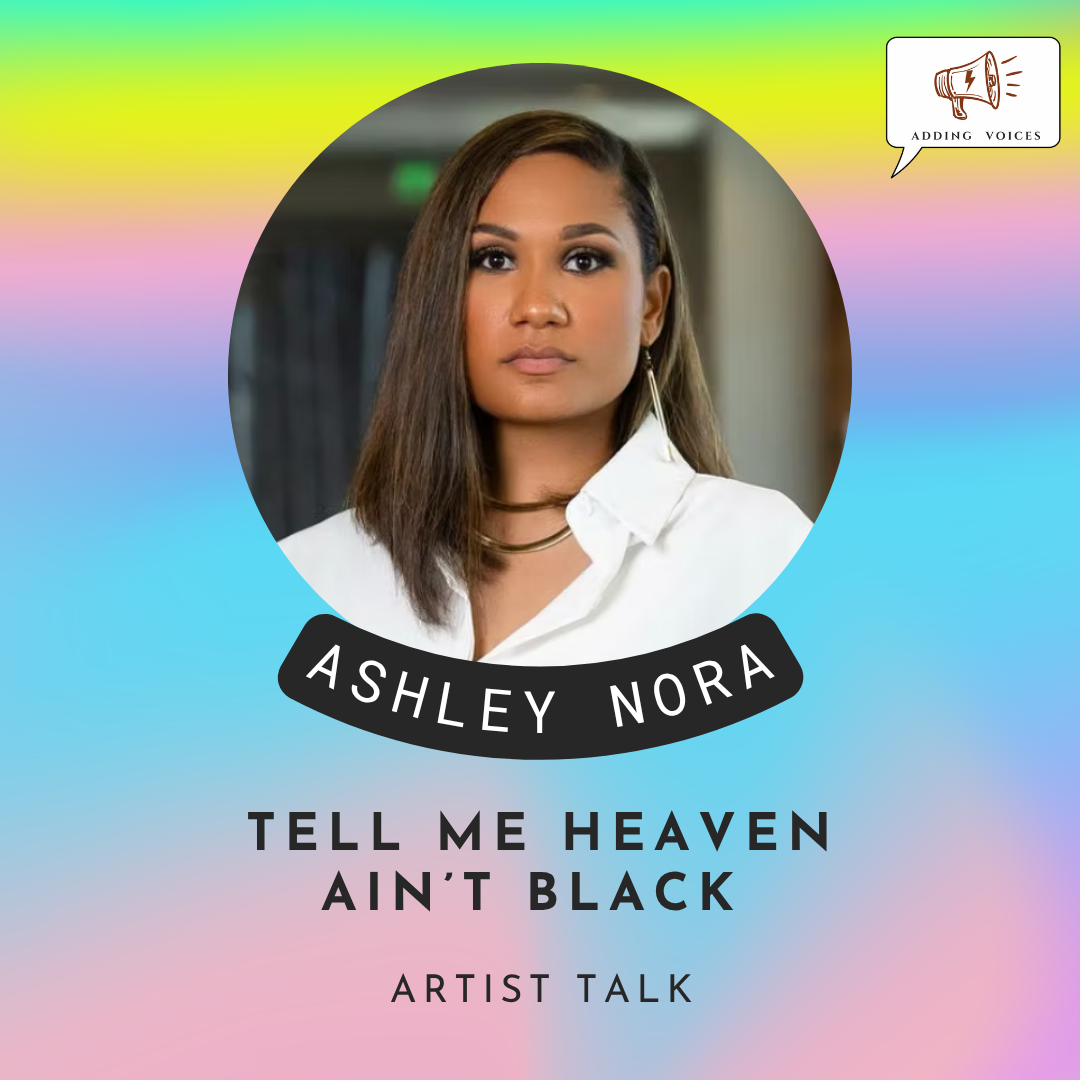
Ashley Nora , she/her is a contemporary American multidisciplinary visual artist whose paintings, murals, and sculptural works reimagine classical iconography through a contemporary Black lens. Known for her signature blue and white palette, Nora creates powerful portraits that explore divinity, identity, legacy, and belonging. She transitioned from a career in analytical chemistry to full time art, boldly pursuing a vision centered on possibility and generational transformation. Her work has been exhibited in galleries and institutions nationwide and includes major public installations and institutional commissions. Nora is the creator of the ongoing series Tell Me Heaven Ain’t Black, a body of work that challenges historical depictions of the sacred by centering Black figures within celestial, regal, and eternal narratives. Through intimate portraiture and monumental scale alike, her practice transforms ordinary presence into divine inheritance.
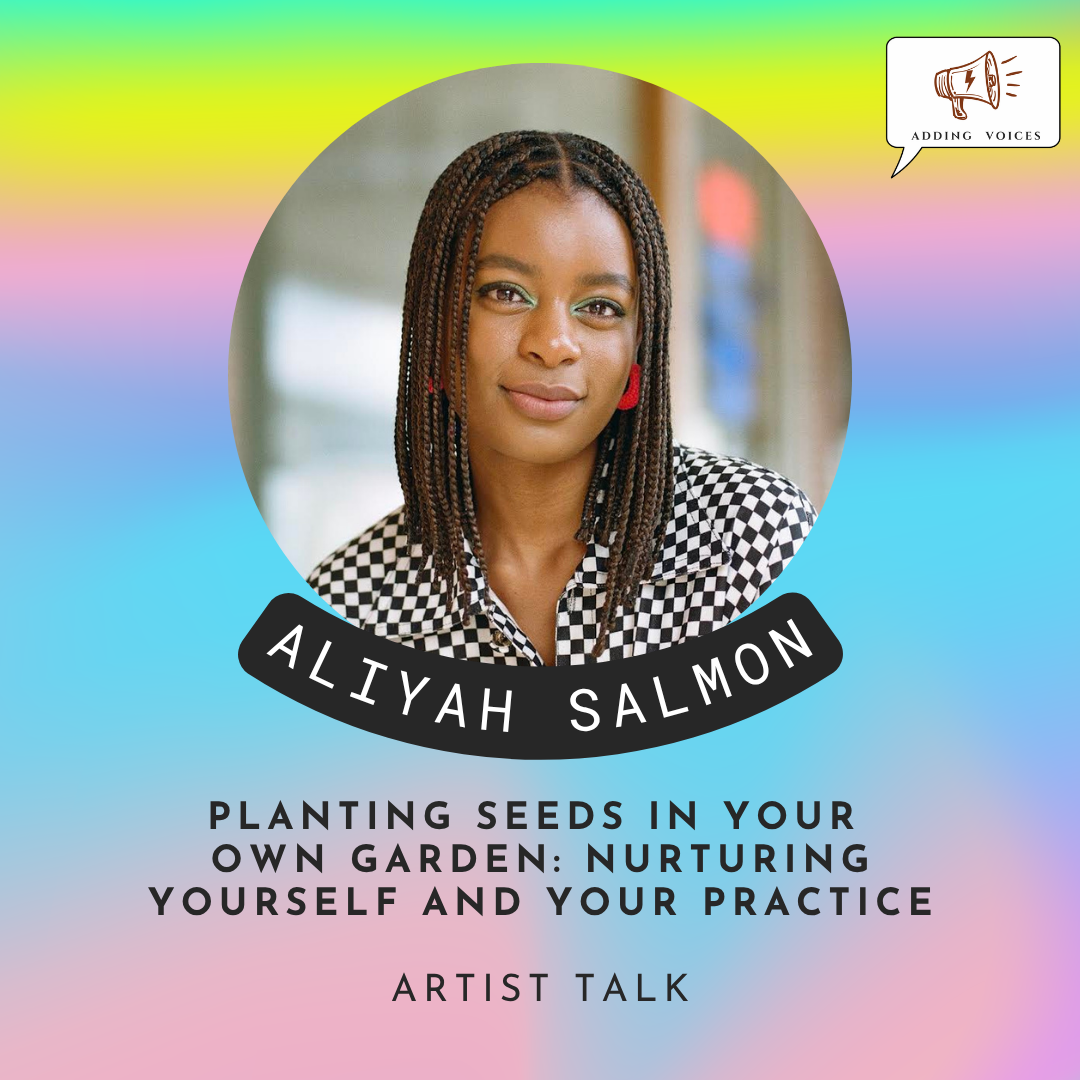
Aliyah Salmon, she her practice investigates the intricate crossroads of Black femininity and the Afro-Caribbean diaspora in contemporary America. Through textiles and collage, her work challenges and reframes simplistic narratives surrounding Black identity, while exploring themes of isolation, childhood, and the subconscious. Utilizing traditional textile methods like hand tufting with an Oxford punch needle and bead embroidery alongside modern materials and collage techniques, Salmon embraces “slow craft” to construct dream-like compositions. These compositions feature tufted depictions of symbols, products, and culturally significant items from the Black/Caribbean community, serving as shorthand for broader discussions on black femininity, hair politics, and diasporic experiences. Her work fosters a dialogue between these intersecting identities, dismantling the notion of a monolithic Black female experience to explore the nuanced layers within the Black American experience.
Adding Voices 2026 Nourishing Creative Art Ecologies: Rooting, Refusing, and Reseeding
A one-day virtual gathering for art educators, teaching artists, and cultural workers, seeking culturally sustaining, justice-centered practices that nourish their creative lives, classrooms, and communities. Root where you come from. Refuse what depletes us. Reseed what our classrooms and communities need.
Grounded in Black feminist thought and practice, Adding Voices centers Global Majority and LGBTQIA+ educators while welcoming all educators committed to accountable, liberatory arts education. Adding Voices creates conferences and workshops that are intentionally committed to equity, social justice, and inclusion in teaching, learning, and building community for art educators who are Black, Brown, Indigenous, or part of the Global Majority. The purpose of these conferences is to provide a safe space for leadership, rejuvenation, and professional development for art educators, teaching artists, and arts professionals.
Adding Voices aims to equip art educators at every level--from pre-service teachers to higher ed, administrators to board members--with knowledge and skills in liberatory practices, centering anti-bias and anti-racist frameworks in art education.
While affinity spaces within larger art education conferences exist, Adding Voices is the only national event that explicitly centers the experiences and expertise of art educators who identify as Black, Brown, Indigenous, or part of the Global Majority, while prioritizing the need for anti-racist and culturally responsive practices at every level of education.
Thank you to our 2024 Conference Sponsors





“Been searching my whole teaching career for this PD specifically geared to BIPoC art educators & allies. Felt seen & excited about the guidance/resources the speakers provided.”
— Tara Harrison, Art Educator, CT
The Adding Voices conference felt like I attended a family reunion of long lost relatives. Being surrounded by the power of queer, BIPoC creatives passionate about this work was incredibly fulfilling and a stark contrast to the educational spaces I typically work within. The conference deepened my commitment to creating spaces in which our communities’ values, cultures, and traditions are honored and respected. "
“Adding Voices Conference 2022 was truly magical. Flavia worked hard to be intentional in framing critical dialogue with attendees and creating an atmosphere of collective well being, responsibility, and comunal belonging that is extremely rare in professional learning spaces. I’ve never attended a conference where I can be my whole self, be seen, celebrated, and listened to by colleagues who are doing radical work across the nation. You are embraced with the energy of our ancestors and reminded the work we do is practicing the worlds we want to build with and for each other.
— William Estrada, Art Educator & Multidisciplinary Artist

Founder
Flavia Zuñiga-West (she/her) is a West Coast-based art educator, artist, cultural theorist, curator, mother, and founder of Adding Voices, working on Tongva land (Los Angeles). Grounded in Afrolantidad and Black feminist abolitionist praxis, her work examines power, refusal, and institutional critique, advancing liberatory, joy-centered pedagogies that reimagine conference culture, art education, curation, and collective knowledge production.
She currently serves as the Chair of the National Art Education Association’s Committee on Multiethnic Concerns and has presented at the NAEA, National Education Association’s Racial & Social Justice Conference, the Los Angeles County Museum of Art (LACMA), and the California Art Education Association.
Zuñiga-West, F. (in press). Stay Hydrated: Black Feminist Interruptions in Parched Curricula. In B. Link (Ed.), Art Education Beyond Good Intentions: 10 Tools to Create Culturally Sustaining Lessons. Teachers College Press.
wilson, g. j., & Zuñiga-West, F. (2023). Intersectionality for Art Education: A Manifesto for Engaging Homeplace Through Hip-Hop Feminist Arts Praxis, Art Education, 76:1, 14-22, DOI: 10.1080/00043125.2022.2132792